
WHEN DOES MY LOT NEED SEALCOATING?
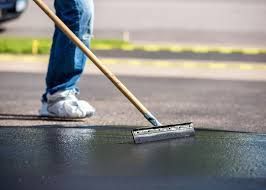
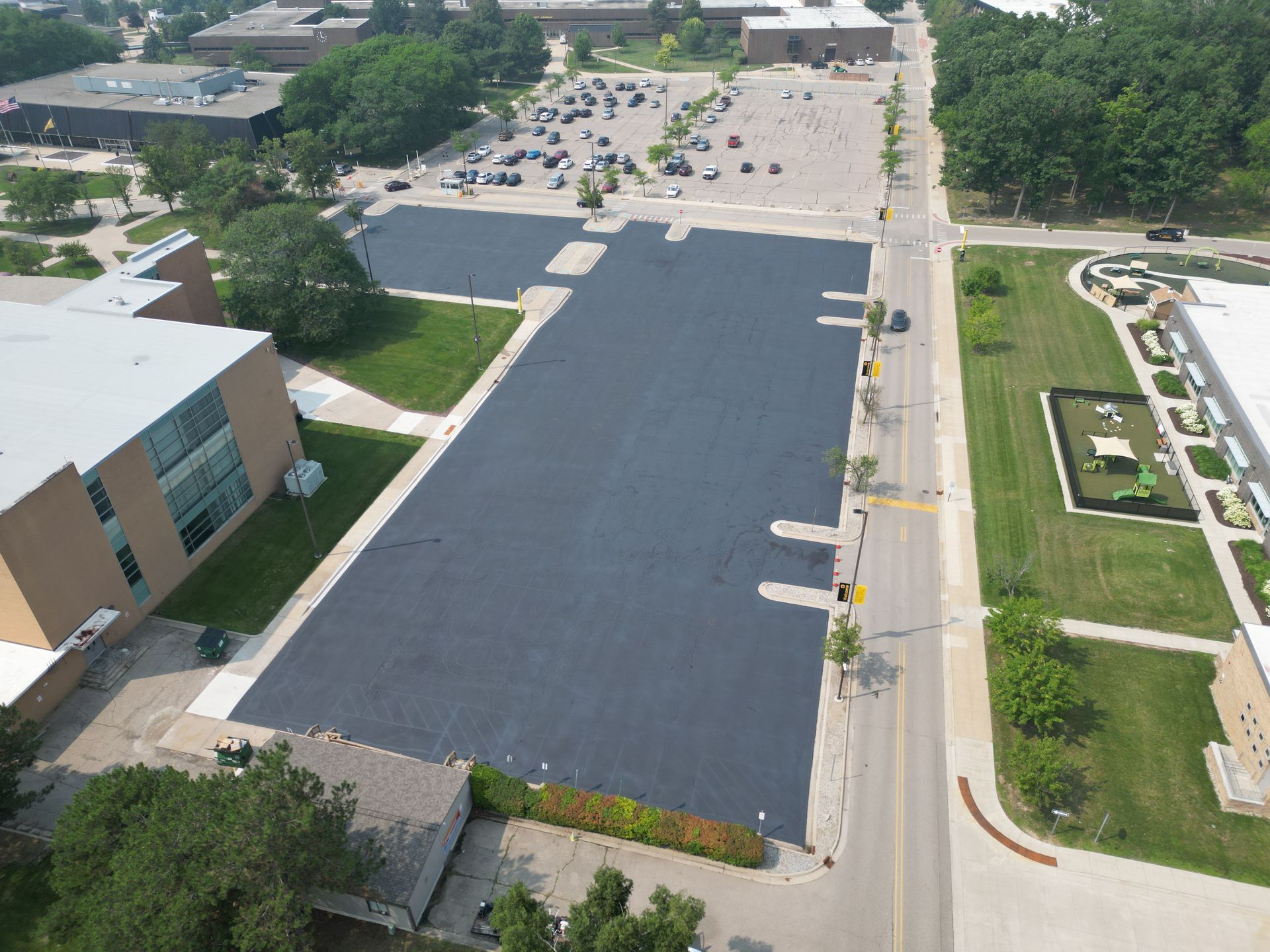
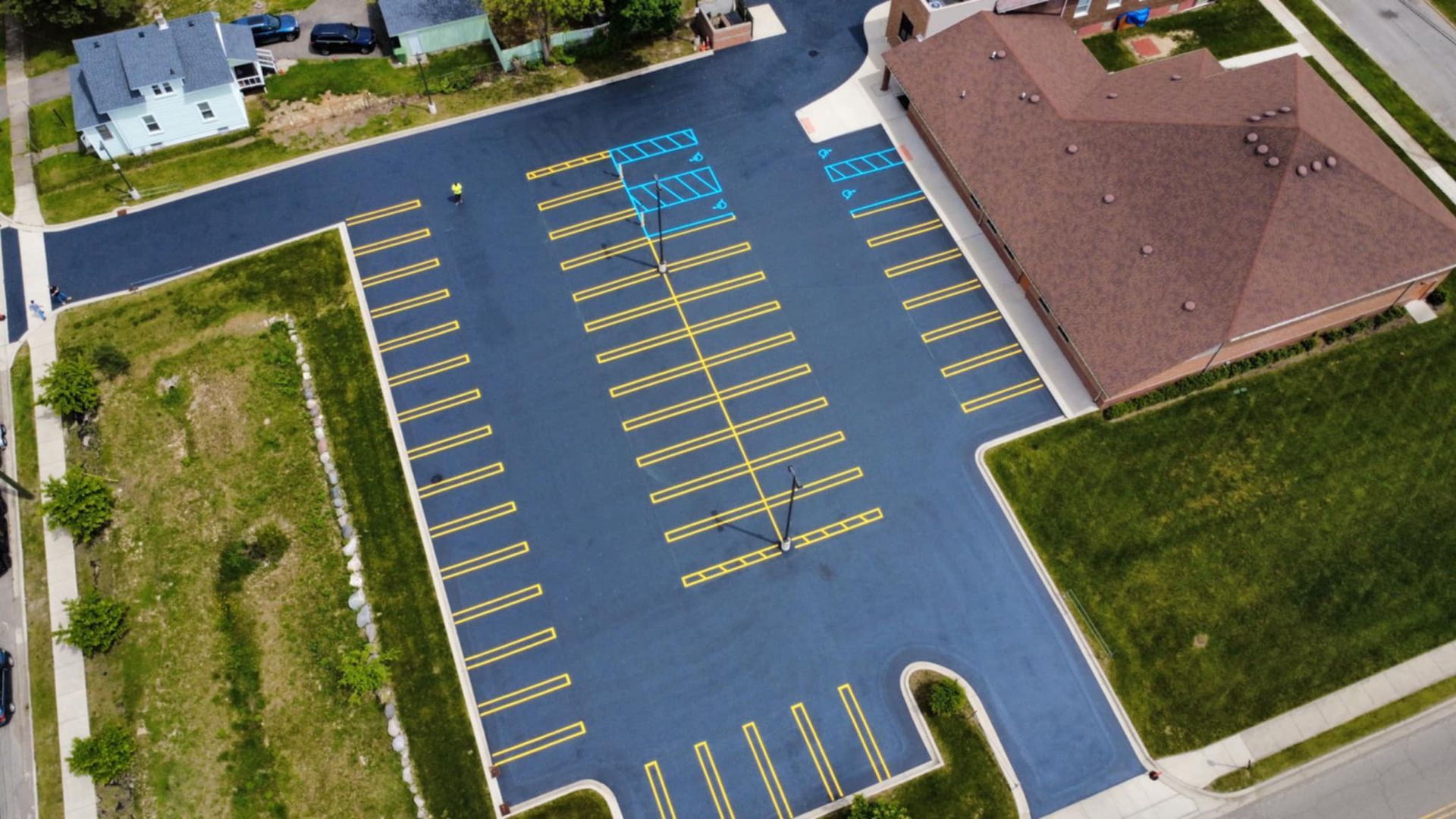
For most commercial properties, sealcoating should be planned on a 2–3 year cycle, with the exact timing influenced by traffic volume, climate, and the current condition of the pavement. Because parking lots are subjected to daily vehicle traffic, turning movements, and heavier loads than residential driveways, routine sealcoating plays a major role in slowing surface deterioration and preserving the asphalt underneath.
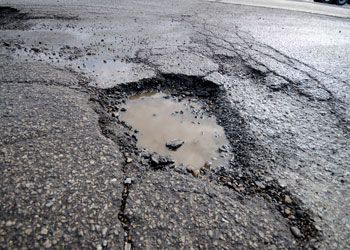
Properties located in areas with frequent rain or snow may need sealcoating at shorter intervals to help reduce moisture penetration and damage from freeze-thaw cycles. Likewise, lots that see constant traffic or frequent oil and fuel drips will experience faster surface wear and benefit from more proactive maintenance.
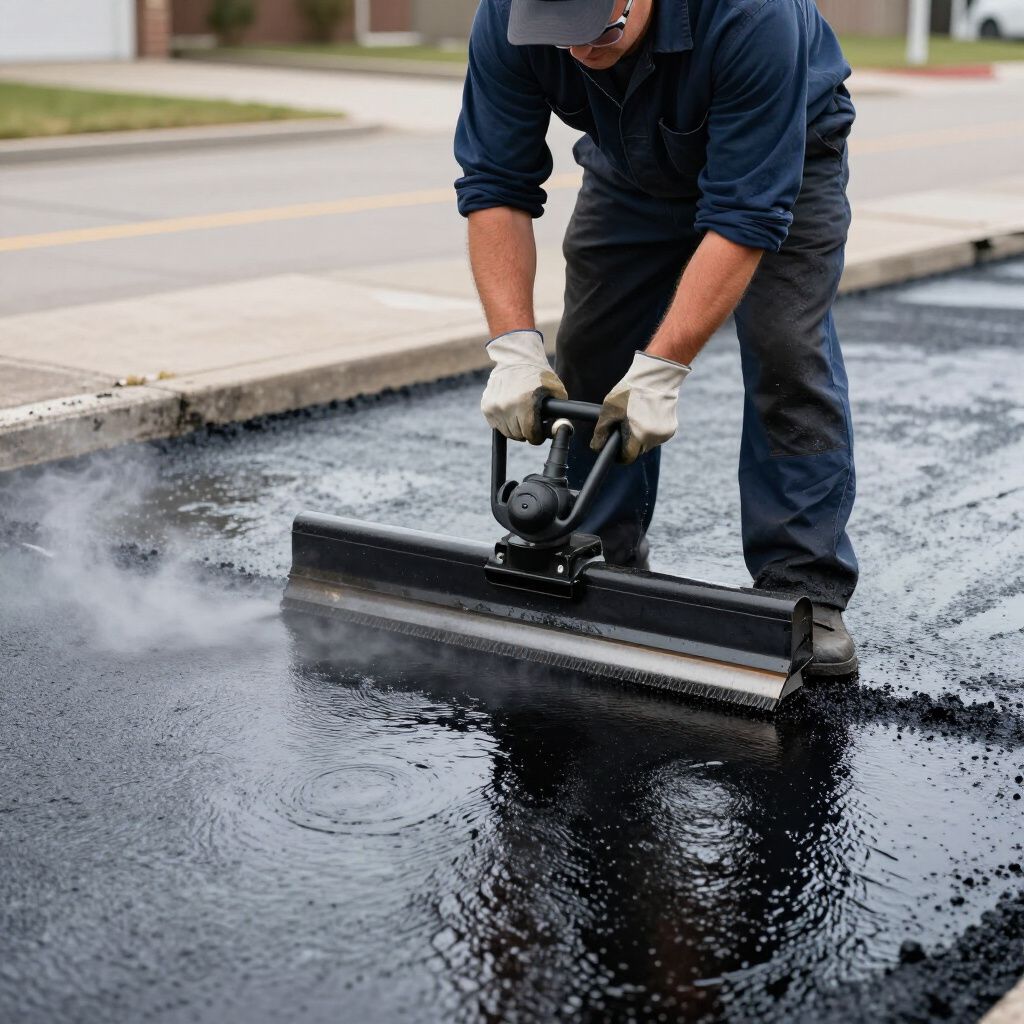
Sealcoating is most effective when applied during warm, dry conditions—typically between late spring and early fall. Ideal application temperatures are above 50°F and rising, allowing the material to cure properly. Adequate dry time is critical, as sealcoating requires several uninterrupted hours without rain to fully set and bond to the pavement surface.